How to stop procrastinating
Procrastination is a habit and habits can be changed. This post breaks down why you delay and how to start taking action, even when motivation is low.
I used to talk a lot about what I was going to do.
I was going to start exercising.
I was going to work on my business idea.
I was going to make changes once things felt easier.
The business idea part is its own story. I wrote about what running a business and failing at parts of it actually taught me.
And then days passed. Weeks passed. Nothing happened.
I wasn’t lazy. I was stuck in a pattern of excuses. Every time something felt uncomfortable or uncertain, I delayed it.
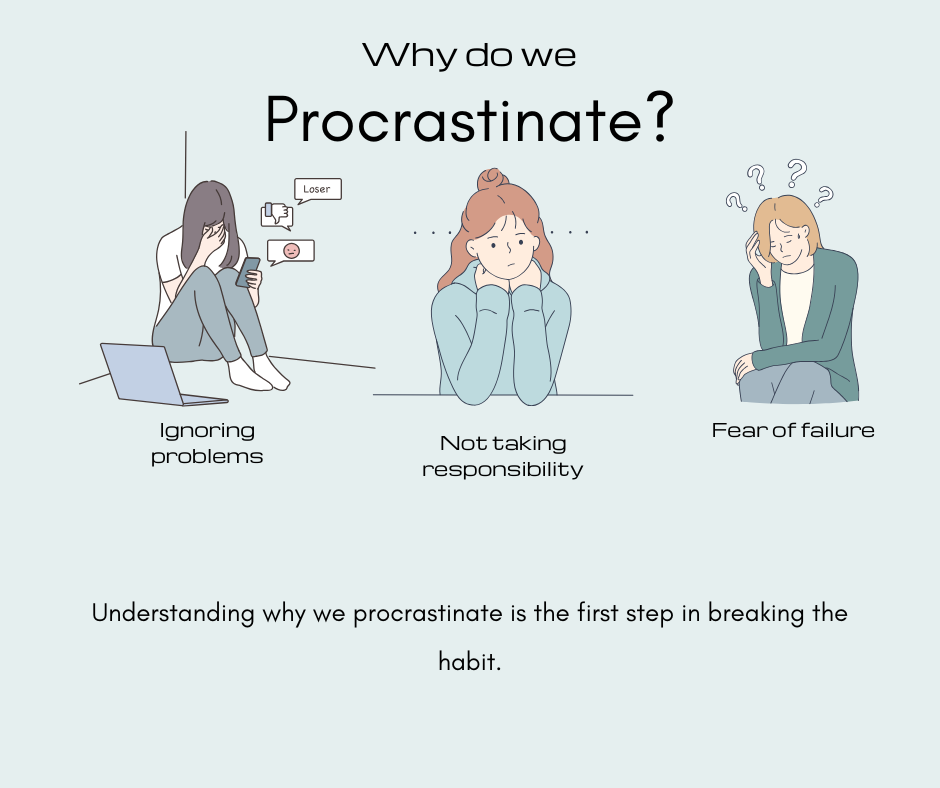
Change scared me. I relied too much on other people’s opinions. And deep down, procrastination felt safer than facing the possibility of failure.
For a long time, I didn’t see procrastination as a real problem. I thought it was just poor time management or lack of motivation. But in reality, by avoiding the problems in front of me, I was only making them bigger.
A lot of procrastination is really overthinking in disguise. Here is more on how to stop overthinking.
Every one of us faces difficulties. That part is unavoidable. The real difference lies in how we approach them. Problems don’t disappear when we ignore them. They wait. And true relief, even happiness, comes from finally dealing with what we’ve been avoiding.
If you’re reading this, chances are you recognize yourself here.
You have ideas. You want change. But you feel stuck in the same cycle of hesitation and excuses.
This year, something shifted for me. I changed the way I look at problems, and that changed everything. I stopped running from discomfort and started addressing things directly. For the first time, I began keeping promises to myself. I made progress with my fitness, my health, and my work — not perfectly, but consistently.
This post isn’t about productivity hacks or better to-do lists. Scheduling tasks alone won’t stop procrastination. Journaling, waking up early, or repeating affirmations won’t either.
Because procrastination isn’t a surface problem.
It’s rooted in how you think about problems, responsibility, and discomfort. And that mindset is often deeply ingrained, built over years — sometimes since childhood.
This post is about how to change that.
Break the habit of procrastinating
In The 7 Habits of Highly Effective People, Stephen Covey talks about two types of people: reactive and proactive. When I first read that distinction, I immediately knew where I belonged.
I was reactive.
Reactive people believe their lives are shaped by circumstances. They blame external factors and use language that sounds like this:
If only I had more money.
I wish I had more time.
If only I lived in a bigger apartment.
I wish I could move.
This way of thinking keeps you stuck. When you believe something is outside your control, you give yourself permission to do nothing. There’s always a reason, always an excuse, always something or someone else to blame.
Proactive people speak differently. Their language reflects responsibility:
I will find a new job.
I will lose weight.
I will do my best to help my wife more.
The difference isn’t optimism. It’s ownership.
Reactive people often procrastinate, not because they don’t care, but because they don’t believe their actions will change anything. As a result, their situation stays the same. Responsibility is avoided, and problems remain unresolved.
You can’t control the weather, your past, or other people. But you can always control your response. And that’s where change begins.
If you want to break the habit of procrastination, you need to change how you approach problems and how you talk to yourself. The moment you catch yourself thinking, I can’t do anything, I don’t have time, or this isn’t my fault — pause.
Recognize the pattern.
Then correct it.
You’ll fall back into old thinking often. That’s normal. These patterns feel safe because they’ve been with you for years, sometimes since childhood.
You can’t fix what you refuse to acknowledge.
Once you admit there’s a problem, the work becomes simple. Take responsibility, act, and gently correct yourself every time your mind tries to return to the familiar.
The “Do something” principle
This phrase is from the book The Subtle Art of Not Giving a F#ck and it really resonated with me.
When you’re stuck on a problem, the worst thing you can do is sit with it, overthink it, and wait for motivation to appear. Momentum doesn’t come from thinking. It comes from action.
Start doing something, well, anything.
Action often creates motivation, not the other way around. Once you move, even imperfectly, it becomes easier to keep going. And even when you fail, that failure still moves you forward. It gives you feedback, clarity, and direction.
Life doesn’t reach a point where problems disappear. It’s an ongoing series of challenges. The quality of your life improves as the quality of the problems you’re willing to solve improves.
Ignoring problems or pretending they don’t exist doesn’t protect you. Facing them, one small action at a time, is what brings relief and ultimately, happiness.
Work on things you have control over
There are many things in life you will never control: the weather, politics, other people’s choices, or their behavior. Fighting that reality only creates frustration.
What you can control is yourself.
So when you face a problem, shift the question. Instead of asking who’s to blame, ask what you can do. If the issue is a strained relationship with your brother, the real work doesn’t start with changing him. It starts with changing yourself.
Blame feels active, but it’s actually passive. It keeps you stuck in the same mental loop without producing any real change.
Growth begins when you take responsibility for your part. And often, when you change your behavior or your approach, the other person responds differently too.
Real control isn’t about power over others. It’s about responsibility for yourself.
Do not be afraid of mistakes
One of the main reasons we avoid problems is the fear of failure. It’s easier to delay than to risk getting something wrong.
I used to ask myself questions like: What if I fail? What will people think? And those thoughts were often enough to stop me from taking action at all.
That fear runs deep. It’s learned over time, and it keeps you stuck.
But mistakes are inevitable. They are part of doing anything meaningful. The real choice isn’t whether you’ll make mistakes, it’s how you respond to them.
A proactive approach means facing mistakes directly. Acknowledge them, correct what you can, and learn from them. Then move forward.
Trying something and failing is never the real loss. The real regret comes from avoiding action altogether or repeating the same mistake without learning from it.
Progress belongs to those who are willing to be uncomfortable, imperfect, and honest with themselves.
You are responsible
Taking responsibility is the foundation of effectiveness. Once you truly accept that your life is your responsibility, problems stop feeling overwhelming.
For a long time, I didn’t live this way. Like everyone, I used familiar excuses:
I don’t have time to exercise.
I’ll order food, I don’t have time to cook.
And I told myself these things often. But they weren’t true.
Time wasn’t the issue. Priorities were.
If your health matters to you, and it should, then it has to show up in how you spend your time. That meant, for me, reducing my screen time and stop checking my phone all the time.
Once I accepted that, I could redirect that time toward a short walk, exercise, or cooking an easy meal at home.
I’m sharing these examples to make one thing clear: change always starts with you. Not with circumstances, not with other people but with your own behavior, choices, and willingness to take responsibility.
Make and keep commitments
Our ability to make commitments and keep them is at the core of personal effectiveness. It is also the foundation of real growth.
Every time you set a goal and follow through, even in a small way, you build trust with yourself. That trust turns into integrity. And integrity gives you something many people lack. Inner stability.
When you know you will do what you say you will do, you gain courage. You gain self control. You become more willing to take responsibility because you have proven to yourself that you can handle it.
I felt this shift when I finally managed to introduce exercise into my morning routine after more than twenty years of failed attempts, thanks to the book Atomic Habits by James Clear.
After keeping this habit consistently for a year, something clicked. I realized that change was no longer random or dependent on motivation. I had proven to myself that I could shape my habits and my routines, and that meant I could change other areas of my life as well.
Try this for one month. Keep your commitments small and realistic. A short walk. One task finished. One promise kept.
The change will not be dramatic at first. But it will be noticeable.
Conclusion
Overcoming procrastination starts with self-awareness.
It begins by noticing the thoughts that show up when you are faced with something difficult. The excuses. The hesitation. The urge to delay.
Real change does not happen by waiting to feel ready. It happens when you shift the way you look at problems and goals, and choose to act even when it feels uncomfortable.
Action usually comes before motivation, not the other way around.
Start small and stay consistent. Each small action builds momentum. And over time, the habit of taking action replaces the habit of postponing what matters.
Related Articles
Building Habits: Key Lessons from Atomic Habits