The Art of Spending Money: What Morgan Housel Teaches About Spending Smarter
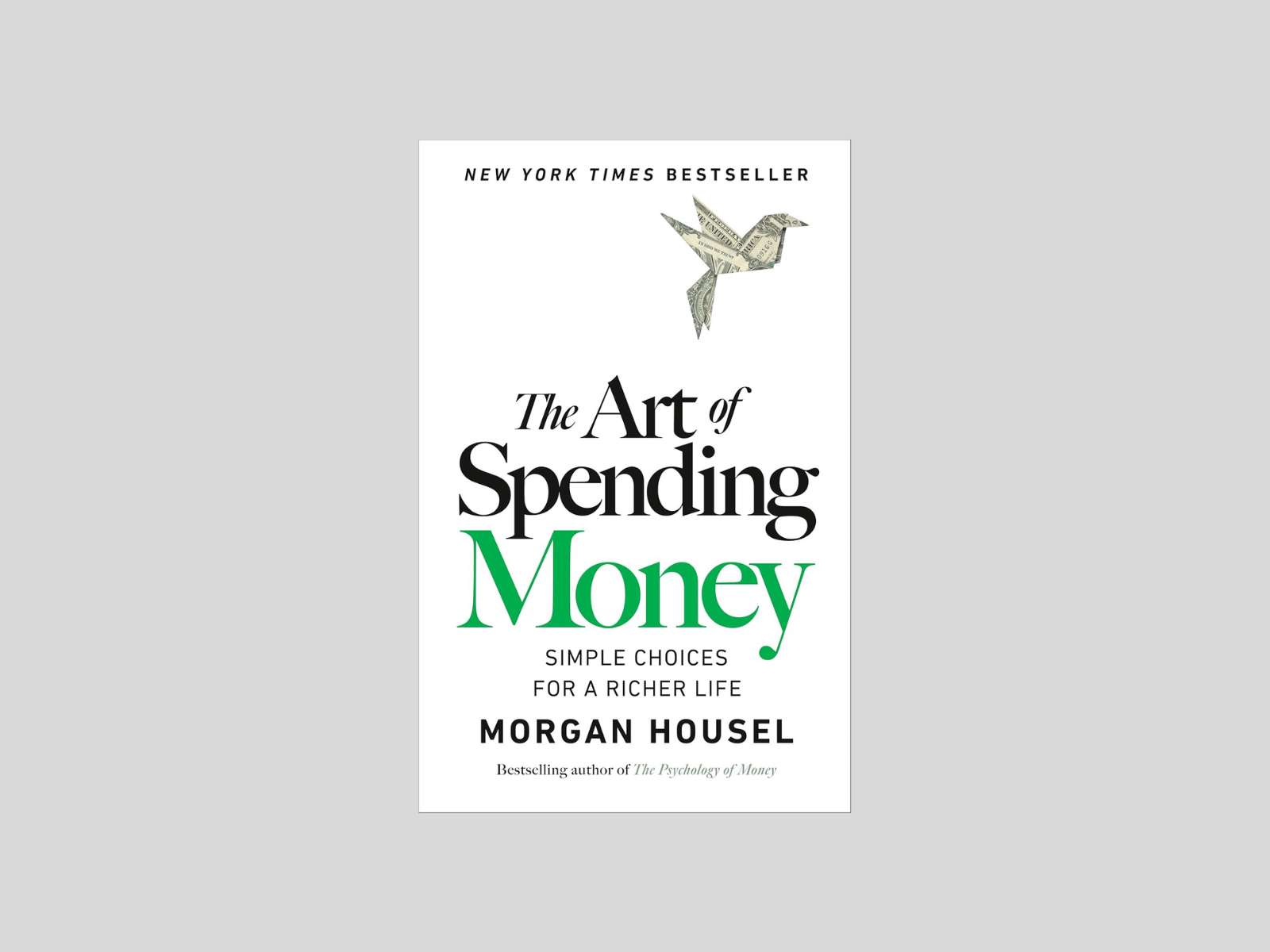
We focus on how to make and save money, but ignore how we spend it. The Art of Spending Money by Morgan Housel teaches you to look at money differently and pay attention to your spending.
I recently read The Psychology of Money, and I recommend starting with that one first. It’s the first book that explained to me the reasons why we spend money the way we do and what we can do to change.
This book, however, focuses on spending.
What motivates us to buy more? Why do we feel the need to show off? Why do we believe what we buy will make people like us more?
It’s an extremely valuable book, especially in today’s consumerist world, where products are pushed at us all the time.
Spending money is emotional
You think you want nice stuff, but what you really want is respect, admiration, and attention.
Morgan housel
The desire to have more money and the things it can buy often hides what you actually want: respect and admiration from others.
You may think you want a more expensive car, a bigger house, a designer purse, but behind that desire lies something else.
What you want is for other people to admire you and respect you, and you think that owning these things will get you there.
What these things get you is envy from other people. The true admiration or love comes from other things.
Happiness depends on so much more than income
What are the things that truly make you happy? When faced with their end, most people would say family, kids, love, and freedom.
And if you are thinking about your death, your house, flashy jewelry, or anything else you own has no significance. You want people to remember you were a good parent, spouse, and friend.
You won’t care what other people think of you; you will care what people you love think about you.
Happiness depends on so much more than income. And the key is to keep in mind what is really important to us and not sacrifice these things for money.
When you look back and think about whether you lived a good life, it will have little to do with how much money you made or spent.
Not needing to impress anyone
When you don’t feel the need to impress others, your desires fall. You want fewer things, and you are satisfied with what you got.
You have enough.
Every decision we make when spending money falls into two buckets. Are you spending money because you want to impress others, make them jealous? Or are you buying something because it really improves your life?
Following others on social media often makes us follow the wrong path. Makes us desire the same lifestyle and the same things we see other people have.
What is it that we really want? Sometimes, following our own querky habits, being independent and doing what you want is what money should really help you with.
The Rich and the Wealthy
To be happy, you have to be yourself. You have to control your values, your personality, your friendships, who or what you admire, regardless of how much money you have.
If you are already satisfied with who you are, then money is just a tool you use to improve your life. Morgan also advises us to separate what we like from what we want.
You like scrolling, but you know you don’t want to do it. So you need to control your desires. It is fine to enjoy an annual holiday, have a fancy meal once in a while, or buy nice clothes occasionally. But if you had to drop these things, you should be completely fine.
Don’t be proud of the things you bought, but of the things you build. Friendships, family, memories, and the wisdom you accumulated.
Simple rules to live by
At the end of the book, Morgan Housel gives us a list of simple rules to live by. They are exactly what I try to follow today:
- Spend less than you make.
- Quietly compound.
- Money serves you, not the other way around.
- No one is thinking about you as much as you are.
- Independence is wealth.
- Health is wealth.
- Aim to be a good ancestor.
- Love your family.
Final thoughts
I highly recommend reading both The Psychology of Money and The Art of Spending Money. I only wish I had read them in my twenties, when I first started working and earning money.
These books would have helped me understand why I spend the way I do, how easily I am influenced by others, and what values I should consider before deciding what to do with the money I earn.
I’m currently reading Same as Ever, and I’ll be sharing my thoughts in one of my upcoming posts.
Related posts
The Psychology of Money by Morgan Housel