6 Best Journaling Methods for Beginners
If you’re new to journaling, it’s easy to feel overwhelmed by all the methods you see online. The truth is, you don’t need the perfect notebook or a complicated system. You just need a style of journaling that feels simple enough to do every day.
In 2025, I finally started journaling consistently. I began with gratitude journaling and later added Morning Pages.
That’s when it clicked for me: the best place to start is the method that feels easiest. Once that becomes natural, you can slowly explore more.
Before that, I kept trying to “write more” and force long entries. I was never consistent. I’d write one day and forget the next. But when your journaling habit takes only a few minutes, it becomes something you can stick to long term.
Best journaling methods for beginners
In my experience, the best journaling methods for beginners are the ones that do not require buying a lot of things, and you can start right away.
With just a simple notebook and a pen.
Guided journals can be expensive. So my advice is just to buy a notebook and a pen and start.
In this post, I’m breaking down six of the best journaling types for beginners so you can find the one that feels right for you.
1. Gratitude Journaling
Gratitude journaling is one of the easiest places to start. Write down three things you’re grateful for. That’s it. Just three short sentences.
I started writing a gratitude journal a year ago. The first thing I noticed was that it helped me focus my thoughts on the positive aspects of my life.
And when you start the day that way, your energy and mindset are completely different.
So if you are struggling with your mood, energy, and mindset, gratitude journaling is a great way to shift your thoughts.
This type of journaling only takes a few minutes a day.
They can be small things like your morning coffee, the morning sunshine or a quiet moment before bed. When you do it consistently, you begin to feel a difference in mood.
Simple prompts to try:
– “Today, I’m grateful for…”
– “A small moment that made me smile today was…”
– “Something I usually overlook but appreciate is…”
2. Morning Pages
Julia Cameron created Morning Pages in The Artist’s Way. The idea is to write three pages of unfiltered thoughts first thing in the morning. It doesn’t need to be deep or poetic. You just dump whatever is on your mind.
This helps you clear mental clutter before the day begins. It also gives you insight into what you’re worrying about or avoiding.
If three pages feel like too much, start with one.
Even now, I have days when I only manage to write 2 pages. But I don’t worry about it. What matters is that I try to remain consistent, even if what I do is not always perfect.
Simple prompts to try:
– “Right now I’m thinking about…”
– “What I need today is…”
– “Something that keeps coming up in my mind…”
3. Journaling for Mental Health
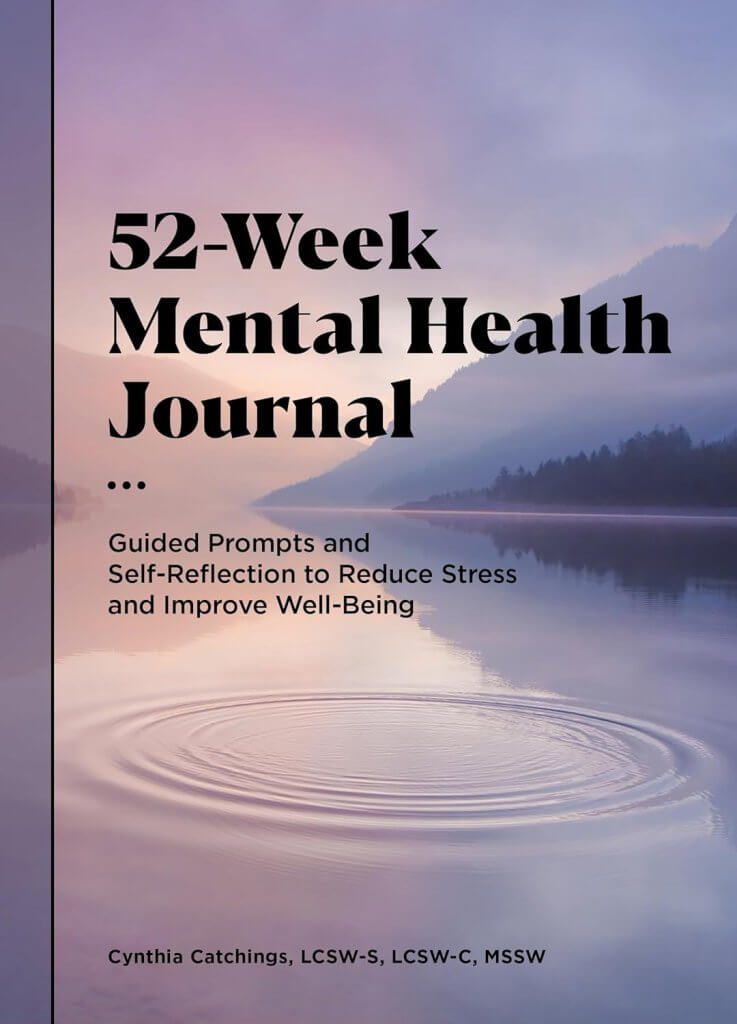
This type of journaling helps you understand your thoughts, emotions, and triggers. If you’re feeling stressed, disconnected, or overwhelmed, putting your feelings on paper will help you feel better.
Write how you feel without judging it. Over time, you begin to recognize patterns, and you start to understand yourself better.
The key with this type of journaling is not to be too critical of yourself. Tell a good, kind, and judgment-free story about yourself. And then move on to what worries you or stresses you out.
You can do this type of journaling only sometimes, when you need it, or regularly 1-2 times per week. It really depends on your needs.
Simple prompts to try:
– “Today I feel… because…”
– “The thought that’s stressing me out is…”
– “What would make me feel better right now?”
4. A Reading Journal
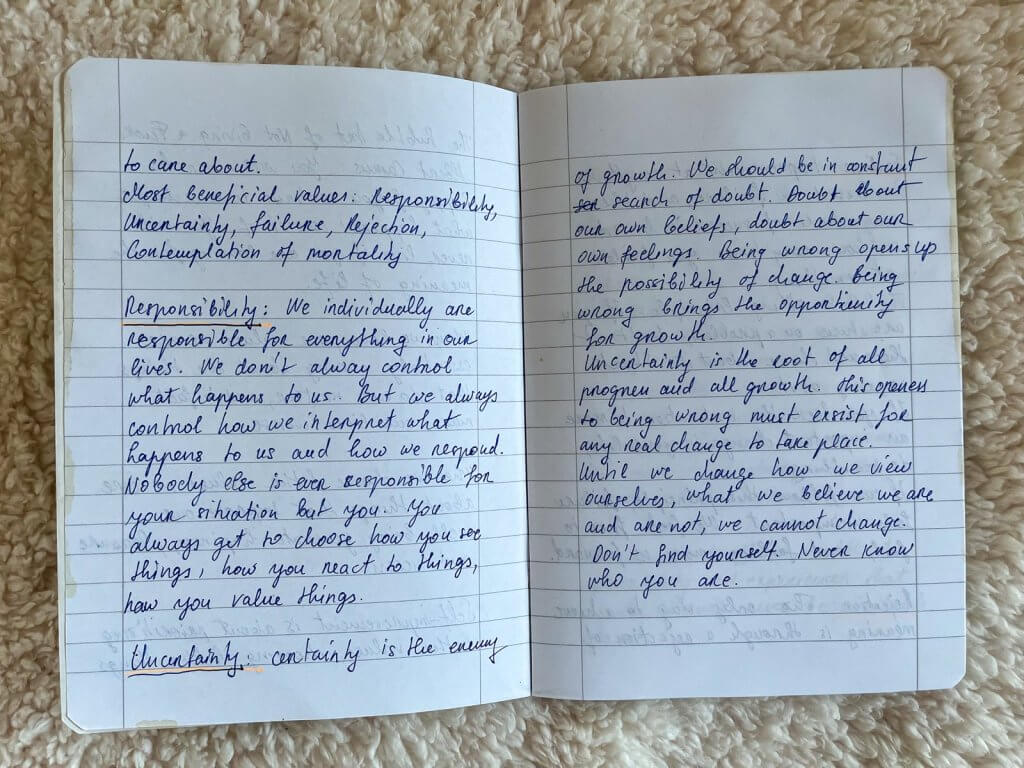
My personal favorite form of journaling is keeping a reading journal. It helps you remember what you learn from books, especially self-help and personal growth books.
Instead of rushing through a book and forgetting about it a week later, you slow down and take time to write down the lessons you learned.
This makes learning stick. It also helps you apply the ideas to your real life.
Try it out next time you have a new book in your hand. Take a simple notebook, and write down the main ideas from a book.
Then revisit these pages a few months later. You will be amazed at how much you already forgot and how these simple notes bring you back to ideas you found interesting and important.
Simple prompts to try:
– “The main idea from today’s reading was…”
– “The lesson I want to apply is…”
– “A quote I want to remember is…”
5. Art Journaling or Doodling
In 2026, I want to try art journaling or doodling. As a kid, I used to doodle all throughout my school years. There were doodles all over my books and notebooks.
As I grew up, I lost that habit. I would still doodle occasionally when I was speaking with someone over the phone.
But little by little, this habit disappeared.
Now, let me be straight: I am not an artist.
However, I find that with this activity, it is easy to get into the state of flow and bring your anxiety down.
If writing feels draining, art journaling gives you another way to process your thoughts. You can draw, paint, doodle, or create small sketches instead of writing paragraphs.
It’s calming, creative, and perfect if you want journaling to feel like play instead of work. You don’t need to be an artist.
And you can find numerous examples of what to draw in your journal on Pinterest:
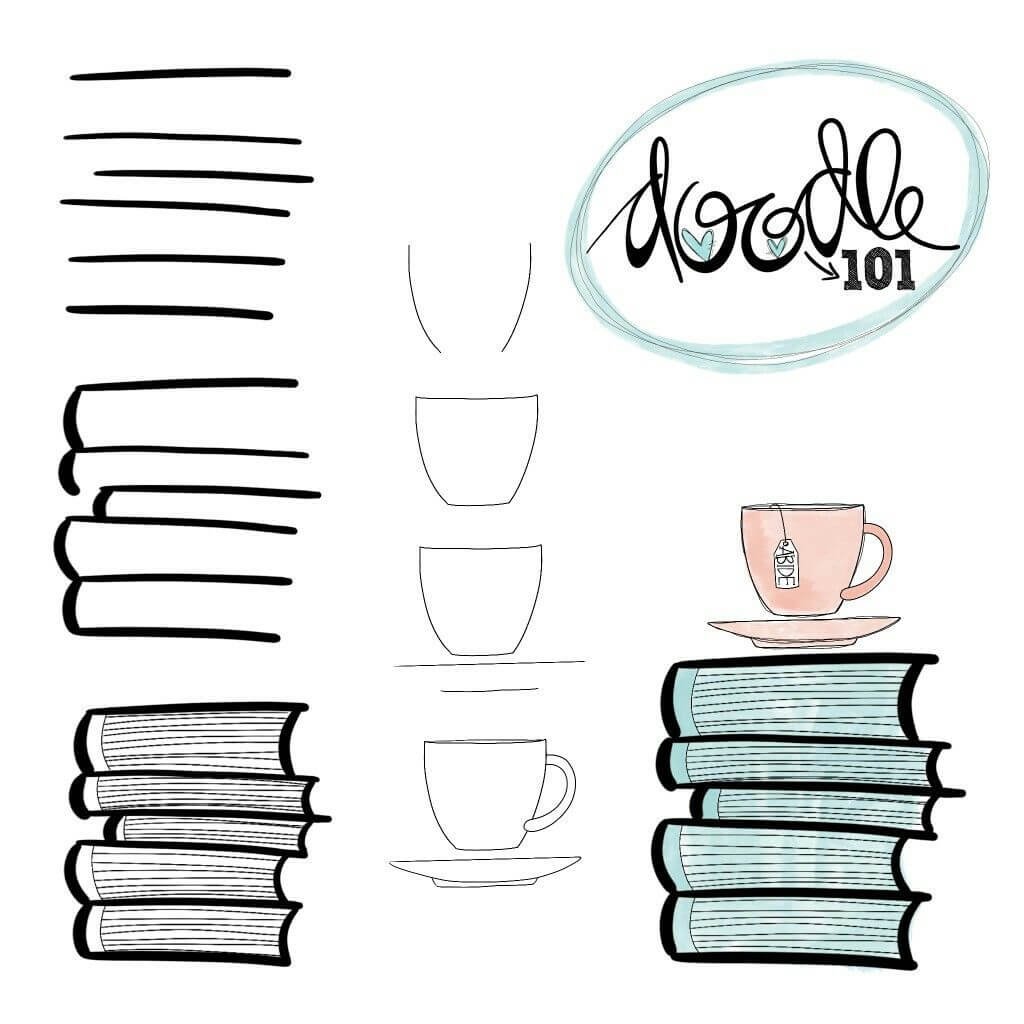
Simple prompts to try:
– Draw how you feel today.
– Sketch a small moment from your day.
– Create a page using only shapes or lines.
6. Nature Journaling

Nature journaling is perfect if you love nature or being outdoors. It’s a simple practice: you observe something in nature and record what you see, hear, or feel.
You can observe birds, plants, and combine Nature and Art Journal. The choice is up to you.
This helps you become more present and connected to your environment. It also reduces stress because it pulls you away from your phone and back into the real world.
Your journal can be about birds, flowers, or anything in nature you notice and like to capture and draw.
The key here is to find what interests you and take your journal with you on any walk you take.
Simple prompts to try:
– “What I noticed on my walk today…”
– “A detail from nature that caught my attention…”
– “How being outside made me feel…”
How to Choose the Best Journaling Method for You
Don’t rush out and buy three different journals or force yourself into complicated routines.
When you’re just starting, your only goal is to pick one simple method and stick with it. Give yourself at least three to six months with that single practice. That’s how journaling turns from a chore into a habit.
Once it feels natural, you can start experimenting with other styles. But in the beginning, choose the form that feels easiest and least intimidating.
For me, that was gratitude journaling. It only takes a few minutes and all you need are a couple of sentences each morning. After that habit felt automatic, I tried Morning Pages and later added other types of journaling.
Remember this:
The best journaling practice is the one you’ll actually do.
Simple journaling routine
My journaling routine is very simple. I wake up early, drink a glass of water, exercise, and then sit down to journal.
Some mornings I spend half an hour writing. Other mornings, it is just a few minutes.
There are a few rules that help me stay consistent.
First, I keep the routine simple and uncomplicated. The simpler a habit is, the easier it is to stick with it.
Second, my journal is always on my desk where I can see it. This small visual reminder makes it much harder to forget.
Third, I stack my habits. My first morning coffee is always connected with journaling. When I sit down with coffee, I open my journal.
And finally, I accept that I will sometimes miss a day. What matters is returning to the habit the next morning.
My most important advice is not to start with long-form journaling. If you feel that you have to write several pages every morning, you are much more likely to give up.
Start small. Even a few lines a day are enough to build the habit of journaling. If you have to write a couple of pages every morning, you are more likely to fail.
Common journaling mistakes
After many failed attempts at journaling over the years, I realized that I kept making the same mistakes:
- Buying expensive journals because they looked beautiful. I thought that a nice notebook would motivate me to write. In reality, I often ended up not using them at all.
- Starting journaling methods that were too complicated. Systems that required too many steps were simply difficult to maintain long-term.
- Striving for perfection. I think many of us want our journals to look neat and meaningful on every page. But the truth is that journaling is not about creating something perfect.
The only thing that really matters is consistency and honesty. Writing a few imperfect lines every day is far more valuable than trying to create the perfect journal and never actually using it.
Final thoughts
Journaling doesn’t need to take 30 minutes. You can start with five.
I find that if I make the new habit ridiculously easy, I am much more likely to go on with it long term. Because what matters is showing up regularly, even if it’s just a few lines.
Once the habit is formed, then it is time to experiment.
My experiment starts next year. I am going to buy my first sketchbook today and try a doodle journal in 2026. Stay tuned for updates!