How to Stop Checking Your Phone (and Cut Your Screen Time)
I didn’t notice when it started, but over time, I realized I had lost the ability to simply wait without reaching for my phone.
Any small pause in the day (a few minutes in the car, waiting at the bakery, or arriving early for an appointment) automatically turned into scrolling.
What used to be small breaks slowly disappeared. Instead of looking around or letting my mind rest, I filled every free moment with a screen.
Not long after, I began to notice something else.
I constantly felt rushed.
Deadlines at work felt harder to meet, I kept postponing appointments, and staying on top of my kids’ schedules became more stressful.
I had the feeling that I was busy all day, yet somehow never fully in control of my time.
For a while, I thought the problem was that I simply didn’t have enough time. But the truth was much simpler.
I was giving away a large part of it without even realizing it.
Why we check our phones so often
Over time, I started noticing how automatic this behavior had become, not just for me, but for everyone around me.
In cafés, people sit across from each other, yet both are looking at their phones. In waiting rooms, no one is simply sitting anymore. Every pause is immediately filled.
We have slowly lost the ability to be bored. And boredom used to be where thinking, reflecting, and even creativity started.
Now, the moment there is silence, we reach for something to fill it.
What makes this habit so difficult to break is that it feels harmless. You open your phone for a minute, check a message, watch a short video, scroll through a few posts.
You get pulled into an endless stream of content that is designed to keep your attention. It can feel like you are learning something or staying connected, but most of the time, you are simply passing time.
At the same time, your brain gets used to constant stimulation.
It becomes much easier to check Instagram than to go for a walk, much easier to scroll than to sit with your thoughts, and much easier to look for quick updates than to focus on something that actually matters.
This is exactly the science Anna Lembke lays out in Dopamine Nation: the more we chase these small hits, the harder it becomes to feel satisfied by anything smaller.
How checking your phone affects your focus and well-being
Ever since my screen time increased, I’ve noticed several negative changes in my daily life.
I began to feel disorganized and ineffective, as if time was constantly slipping away and I could never get anything done.
Tasks on my to-do list were postponed day after day. I also started to feel sluggish, tired, and mentally foggy.
Spending too much time online made me compare my life to others, which often left me feeling discouraged and dissatisfied.
Being on social media made me spend more money than I would have otherwise. There was always some trending item I needed to have.
I also stopped reading books and writing. I lost all my hobbies.
Little by little, different areas of my life started to decline: my friendships, family life, and work.
Signs you are checking your phone too often
If you reach for your phone every time you have to wait for something, then this post is for you.
Some signs are easy to recognize:
- You reach for your phone the moment you have a few minutes to wait.
- You are sitting with friends, but you feel the urge to check your phone every few minutes.
- You go for a walk, but carry your phone in your hand the entire time.
- You take your phone with you everywhere, even to the bathroom.
- You scroll through your feeds and check the latest news right before going to sleep.
- You wake up and immediately check your phone.
- You don’t go for a walk or even cook without your phone.
All of these habits are clear signs that your phone is taking up more space in your life than it should.
Start with an honest screen time audit
Before you change anything, look at the real number.
For years I ignored how much time I spent on screens during work. I was always listening to YouTube, checking the news, or jumping between tabs.
Use the built-in tools to see exactly how long you spend on Instagram, YouTube or Reddit. Then do the same on your phone, and add in any TV time.
Most people underestimate it, and the number comes out higher than expected. Two hours a day is fourteen hours a week. Almost a full waking day.
Once I did this honestly and started making changes, I got my own screen time down from about three hours a day to one.
How to stop checking your phone all the time

I am still fighting this fight, as many of you, and still trying to reduce my screen time as much as possible. But I found a few things that really helped me:
1. Keep your phone out of the bedroom
I realized that as long as my phone was on my nightstand, I would use it before going to sleep, often much longer than I intended.
Scrolling became part of my evening routine without me consciously choosing it.
Once I moved my phone out of the bedroom, that habit became much easier to break. Instead of reaching for my phone, I started reaching for a book.
This one small change significantly reduced my screen time, especially in the evenings.
2. Build a morning and evening routine without your phone
My morning routine does not include my phone. It stays turned off, and I don’t look at it when I wake up.
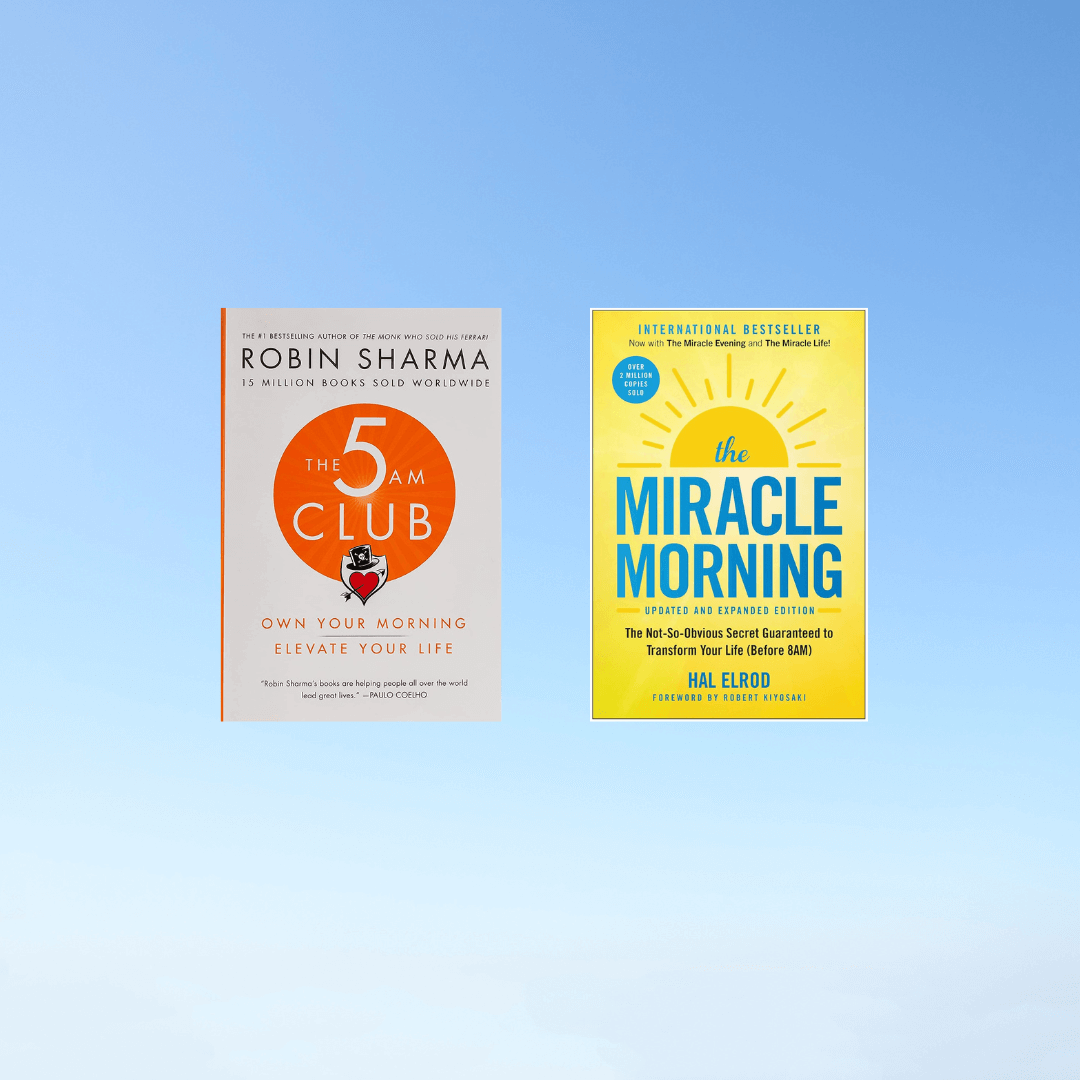
If you are trying to build a routine that actually sticks, you can read my post on The 5AM Club vs The Miracle Morning. Both offer ideas you can adapt to your own life without overcomplicating it.
The same approach works in the evening. I created a phone-free evening routine that enables me to relax and prepare for bed.
It is surprising how much your screen time drops when you remove your phone from the start and end of your day.
3. Set a specific time to check your phone
Instead of checking your phone constantly throughout the day, choose a specific time to check messages or social media.
For me, this is usually in the afternoon. I set aside one hour to chat with friends or watch my favorite YouTube video.
4. Keep your phone out of sight
If your phone is always in front of you and near you, you will reach for it without thinking. I use a smart watch so that I can hear if someone is calling, but otherwise my phone is always “lost” somewhere in the house or in my bag.
I just don’t carry it with me all the time.
I learned this from Atomic Habits by James Clear, where he advises us to remove items that remind us of negative habits out of sight.
5. Delete or block time-wasting apps
For me, Instagram is one of those apps. I could spend hours scrolling through recipes without actually testing any of them.
I still haven’t deleted it, but I restricted my use to 10 minutes per day.
At the same time, I uninstalled news apps from my phone. I really don’t need to check them every hour. Now I check the news from my laptop once a day, and that is enough.
6. Turn off all unnecessary notifications
If your phone beeps all the time, then it is constantly reminding you to pick it up.
I blocked all notifications that were not necessary and only left notifications for personal messages that could be important.
That way, when my phone beeps, I know I should check it, and notifications from Netflix, Instagram, or similar apps are not bothering me.
7. Use apps that limit screen time
You can also use apps that limit or track your screen time. Some popular ones include Freedom, Forest, One Sec, or Stay Focused, which either block distracting apps or make it harder to open them.
If you prefer something simpler, your phone already has built-in tools like Screen Time on iPhone or Digital Wellbeing on Android.
The goal is not to rely on the app forever, but to use it as a tool to become more aware and slowly change your habits.
8. Replace scrolling with better habits
Now that you have reduced your screen time, you may be wondering what to do instead of scrolling.
Keep books nearby so you can reach for them instead of your phone. Reading a few pages is a far better alternative than endless scrolling.
Walking and journaling are also great alternatives to phone use. Keep reminding yourself that instead of wasting time scrolling through your phone, you can introduce new habits that can improve your life.
9. Be ruthless about what you consume
Cutting the time is only half of it. What you look at matters just as much.
Unfollow the accounts that make you feel worse about your own life. Instagram models, fitness influencers, luxury lifestyle content. Cut back on anything that pushes you to spend, like must-have skincare routines or fast fashion hauls. Many of the things we buy are not driven by need, but by repeated exposure.
If you are going to watch something, pick something you learn from, or something that genuinely makes you laugh.
Final thoughts
Dropping your phone completely is hard. But small changes, done consistently, are what actually change your behavior long term.
And if you are doing this right, you will start to feel the benefits surprisingly quickly.
Even something as simple as removing your phone from your morning routine can make a big difference.
You start to feel drawn back to things you used to enjoy as a kid. For me, that was reading, drawing, and writing.
You may even start to enjoy ordinary things again. Simple chores, quiet moments, daily routines. You start romanticizing your life without even trying.
And once you see the difference, it becomes very clear how much of your day was taken by this small device.
Not just your time, but your attention. Your mood. Your ability to enjoy things.
Related posts
How to Create a Good Nighttime Routine