How to save money: simple habits that work
In 2025, I simplified my life.
I stopped buying things mindlessly. I decluttered my home and my wardrobe. I changed the way I buy skincare. Slowly, intentionally, I began living with less.
What I didn’t expect was how quickly my relationship with money changed.
As the clutter disappeared, I started seeing my surroundings differently. Objects felt heavy. Things filling my space, my time, my attention. And I wanted them gone.
Decluttering does that. It forces you to confront the money you’ve already spent.
Money earned through long workdays. Through stress. Through exhaustion. Sometimes at the expense of your health.
And it’s confronting to realize how much of that effort went into things that now mean absolutely nothing to you.
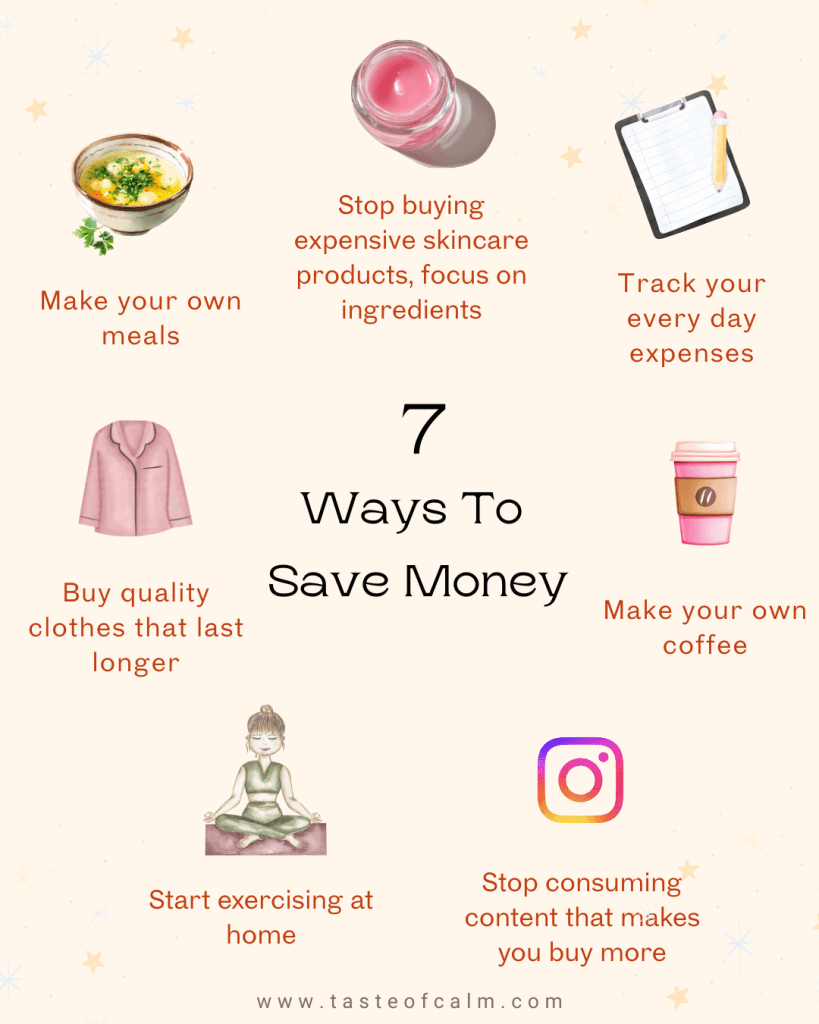
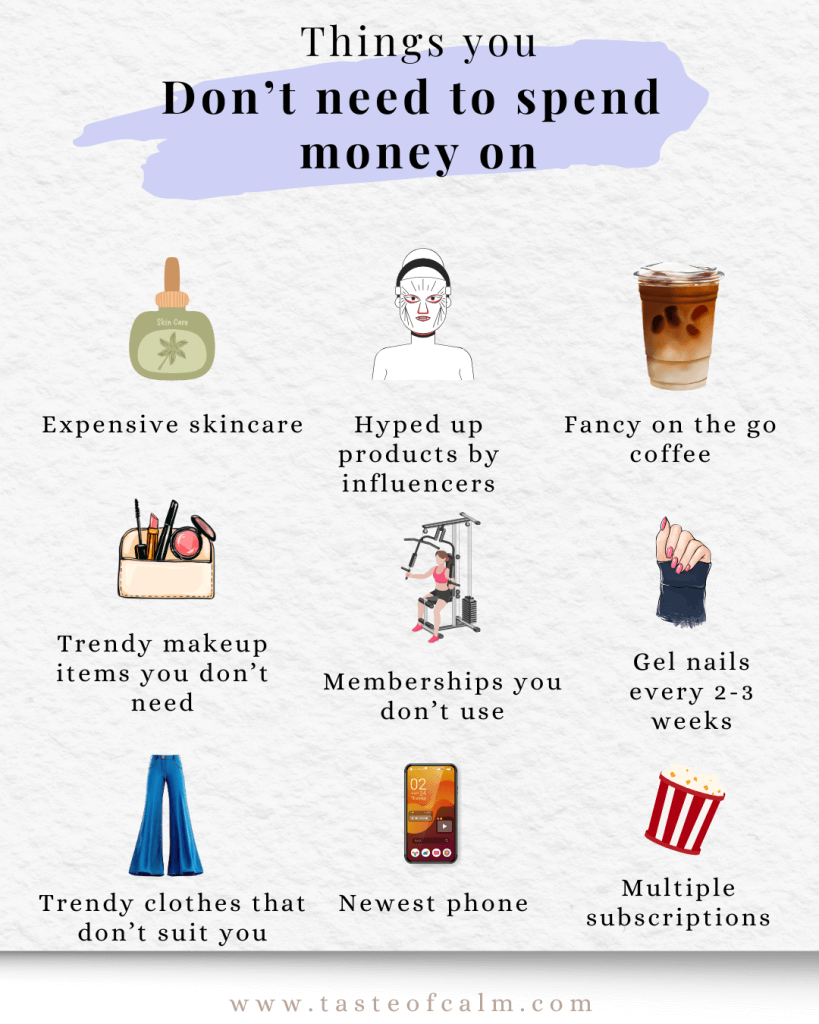
Stop buying expensive beauty products
Don’t get me wrong, I still buy a good-quality perfume or a nice lipstick. But I no longer pile up makeup in my drawers.
I’m realistic about what I actually use. I keep one medium-sized makeup bag with only my essential products.
I don’t need three foundations. I prefer a natural look. I don’t need eyeshadows in every color; I stick to neutrals. Lipsticks are my weakness, but even there, I keep it to three or four.
The key is being honest about your needs.
Only buy new products when you finish the old ones. Don’t scroll TikTok, see a hyped-up MAC lipstick or foundation, and suddenly feel like you need it. These trends are artificially created.
If you still want it once you’ve used up what you already have, then buy it. Most of the time, the urge passes.
Buy fewer clothes, but of better quality
When it comes to clothes, I now stick to classic pieces in neutral colors.
I don’t need ten white T-shirts. I need a few that last and feel good to wear.
I pay close attention to materials and choose natural fabrics over polyester or viscose. It’s far better to own a few well-made cotton or linen dresses than twenty cheap polyester ones.
My lifestyle is simple. I don’t go out much, so I only need one pair of dressy shoes. But I walk a lot, so I invest more in good-quality sneakers.
Buying fewer clothes has saved me money and decision fatigue.
For skincare, focus on ingredients, not brands
I switched to Korean skincare and never looked back. The ingredient lists are usually simple, effective, and non-irritating.
My main active ingredient is tretinoin, which is very affordable. One tube lasts me almost a year. My second active is an acid, currently azelaic acid.
That’s it.
You don’t need every new product that shows up in your feed. Use targeted actives for your skin and keep the rest simple.
I do test new products occasionally, but only after I finish the ones I already have. That’s a rule I stick to. I don’t want drawers full of half-used products and months spent trying to use them up.
Buy unprocessed food, and reduce snacks
I often hear friends complain about food prices.
“I can’t afford good-quality meat anymore,” one of them said recently.
But when you look closer, a lot of money goes toward processed food — snacks, sweets, drinks, takeout.
If you want to save money, don’t cut corners on essentials like meat, fish, vegetables, and fruit. Save on unnecessary purchases like snacks, sugary drinks, takeout, or daily coffee.
Replace store-bought snacks with simple homemade ones.
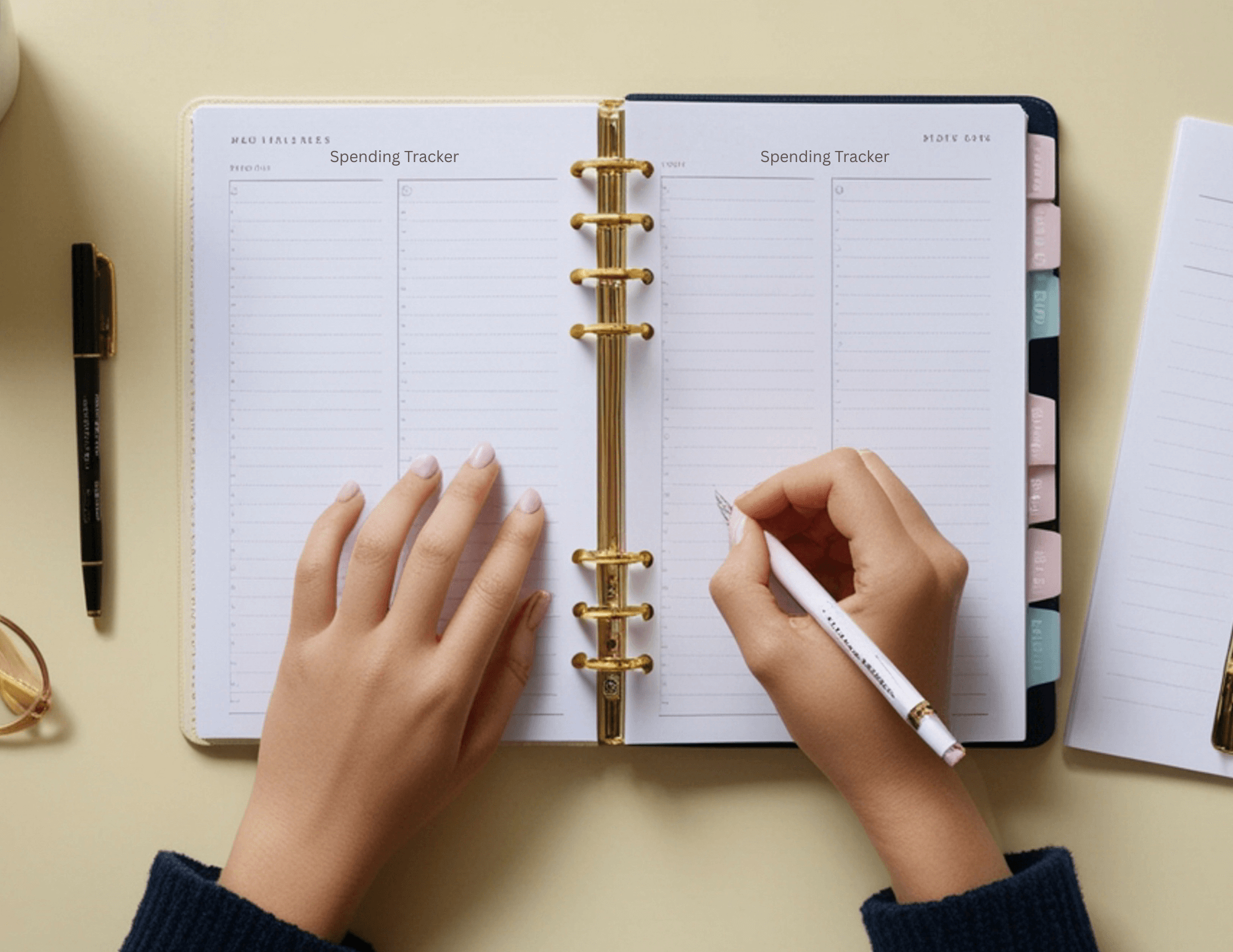
To really see where your money is going, track your food expenses in a simple Excel spreadsheet. Write everything down for a couple of months. The numbers don’t lie and they’re often eye-opening.
Start exercising at home
For years, I tried to get fit by going to classes at a local gym.
It was expensive. And it never lasted.
The more complicated your routine is, the less likely you are to stick to it. With kids and work, I couldn’t always leave the house to exercise.
Everything changed for me, when I introduced exercise into my morning routine every day, and I talked about that in one of my previous posts.
Bring your own lunch/coffee to work
Small daily purchases add up quickly.
One lunch doesn’t seem expensive. One coffee feels harmless. But over a week and then a month, it becomes a serious expense.
Social media doesn’t help. Influencers make it look easy and aspirational: grabbing breakfast, buying coffee, ordering lunch.
But this habit has two downsides. First, it drains your budget. Second, it usually leads to poorer food choices.
Bringing your own food and making your coffee at home saves money and improves your health in a very real way.
Reduce the online content you consume that drives you to buy more
This has been one of the biggest factors in my spending.
I’ve lost count of how many times I bought something because an influencer recommended it, only for them to never mention it again.
The product stayed. The excitement didn’t.
It’s easy to believe you’ll feel better, look better, or live better if you buy the same things. But that feeling is short-lived. After a few days, nothing really changes.
So I stopped following people who constantly sell.
I cleaned up my feed and now follow content that actually serves me: healthy recipes, workouts, and book recommendations.
Focus on well-being, not on things
When I was younger, I didn’t understand what truly makes you feel and look good.
It’s not makeup or clothes. It’s movement, food, rest, and habits.
Instead of chasing another pair of shoes or a third blush, focus on your daily routines.
Reduce screen time. Read more. Journal. Spend time with friends.
In the long run, these things make the biggest difference in how you feel and how you live.
Final thoughts
Since making these small changes, I’ve saved a significant amount of money and, more importantly, improved my health.
You don’t need to change everything at once.
Start slowly. Pick one habit. Let it become part of your life.