Finally stop emotional spending
I spent years buying things just to feel better, and it cost me thousands.
I wish I had realized all of this in my 20s when I started earning a lot of money and was very relaxed with it.
Emotional spending for me comes when I am not satisfied with some aspect of my life. It could be related to my family, friends, losing a boyfriend, or failing an exam.
I then go out and fill the void with a new bag, a new lipstick, anything to take my mind off my problems.
However, that kind of spending really affected my future, because years of emotional spending quickly added up.
What is emotional spending?
Emotional spending is buying things without a plan when you feel upset or bored. The excitement you feel doesn’t last, and you end up with things you don’t wear or need.
Emotional spending differs from regular spending because it occurs when we allow our feelings (such as fear, panic, overwhelm, anger, and insecurity) to drive our financial decisions.
What’s worse, marketers and influencers use emotional triggers to get us to buy from them.
If you buy this course, you’ll get rich.
If you read this book, you’ll be successful.
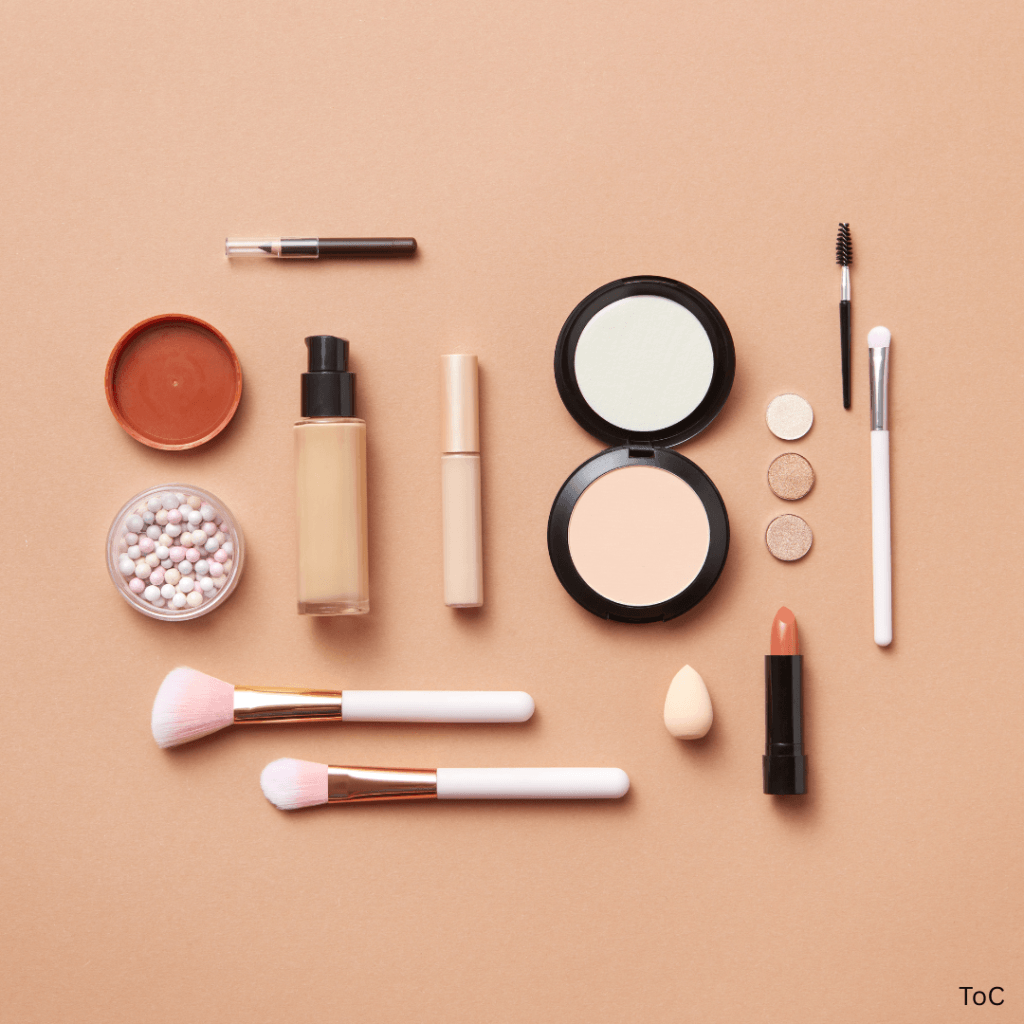
If you buy this makeup, you’ll look like them.
None of this is true, yet it still creates excitement. And you end up making decisions based on emotion, not need.
My experience with emotional spending
In my 20s, I used to buy things just to feel better. When going to a party, I would rush to buy a new dress, thinking I would feel better if I wore something new and pretty.
In reality, the opposite was true. I felt more relaxed wearing something I was already used to.
I would often go to stores just to look around. And I would end up buying random things I didn’t need, just for that short feeling of excitement.
In my 30s and 40s, I realized how much money I was spending on impulse purchases. What made it worse was that most of these things just sat unused in my wardrobe.
At one point, I calculated the value of everything I had. I realized I had thousands of euros sitting in drawers and closets, unused.
Some items still had price tags on them.
That was the moment I knew I had to stop.
How I stopped emotional spending
Become aware of your emotional spending patterns
If you feel upset and run to the stores, that is a pattern you need to notice.
Recognizing the pattern is the first step. Once you see it, you can stop it.
When something happens at work or you feel upset, stop yourself from scrolling or browsing shops.
Do something else instead—something that helps you reset. For me, it’s:
- walking
- journaling
- self-care
Each of these helps me feel better right away.
Pause and ask why
Before you buy something online, take a pause. Wait 24 hours or even a few days, then see if you still want it.
This pause gives you time to think—or to forget about it, which usually means it wasn’t that important.
I do this often. I add something to my cart and leave it for the next day. If I still want it, I buy it. But most of the time, I either forget about it or realize I don’t really want it.
Change the content you consume
In my 20s, I started watching YouTube and Instagram without realizing how much my spending was influenced by the content I consumed every day.
That content is designed to trigger emotion.
I went from makeup tutorials and fashion influencers to recipes and personal growth content.
What you watch stays with you. When you feel upset or bored, you remember all the things you saw and wanted, and you end up buying them.
It’s not enough to just be aware of it. You need to reduce exposure.
Unsubscribe from promotional emails. Remove your credit card from websites that tempt you.
If it’s harder to buy something, you give yourself time to think—and more control over your behavior.
Read books about saving and finances
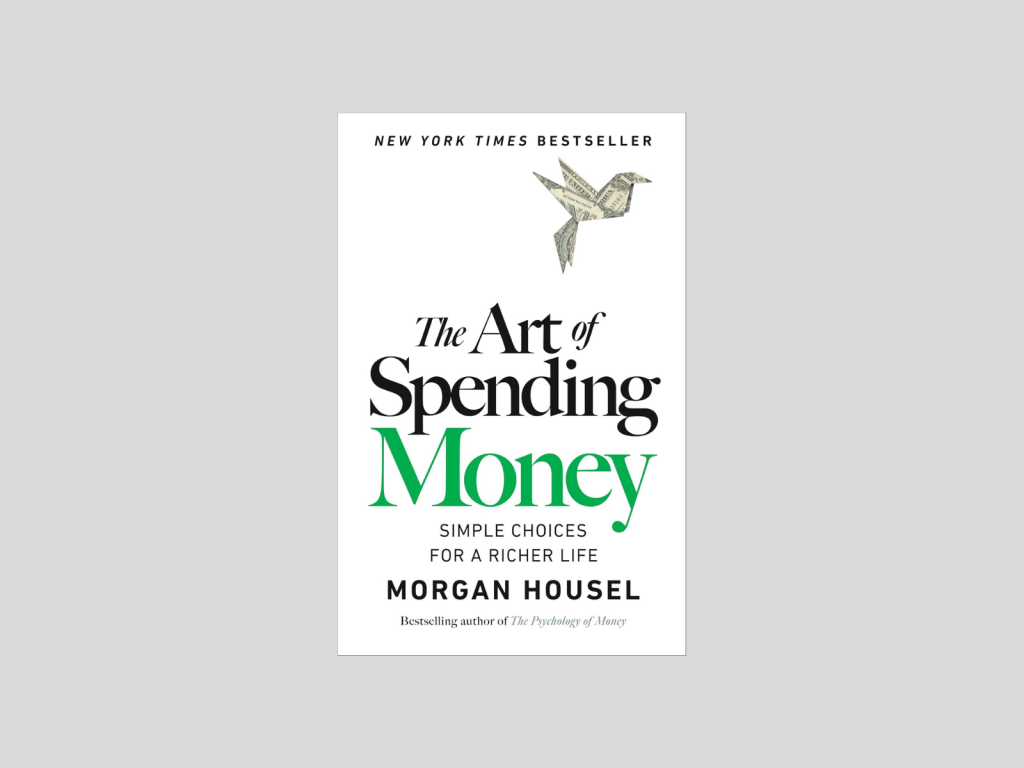
Opening my mind to saving opportunities and seeing how much I could have saved before 40 was a turning point.
I wish I had known this in my 20s. My earnings were higher, and I could have started saving and investing much earlier.
The more you learn, the less likely you are to spend on things that don’t matter.
Read books on money psychology and investing. They help you understand your habits and use money with intention.
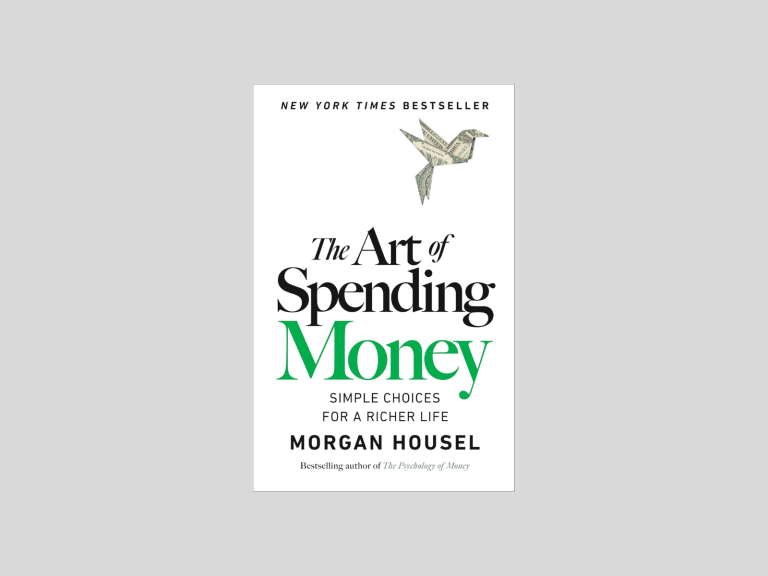
For me, those books were The Psychology of Money, The Art of Spending Money, The Intelligent Investor, and The Simple Path to Wealth.
Replace shopping with other habits
I used to scroll through online stores out of boredom. Lately, I’ve stopped that habit and learned how to replace scrolling with other habits.
Whenever I notice it, I make a conscious decision to stop.
I pause and think about what else I could be doing. Then I replace it with reading, journaling, or simply sitting quietly.
Shopping is too easy now. You don’t even have to leave your chair. With one click, $100 is gone.
A lot of emotional spending comes from boredom. That’s why it helps to introduce other habits to replace scrolling and online shopping.
Over time, this becomes natural. And that small shift saves you a lot of money.
Final Thoughts
Understanding why I turn to shopping when I feel upset or bored helped me take control of my finances and change how I think about money.
Start with a simple monthly list of expenses. See how much goes to emotional, unplanned purchases.
Then work on your mindset and try to understand the root of that behavior.
Protect yourself from ads, even in content that doesn’t look like advertising. Learn to recognize hidden ads, especially in YouTube videos.
By doing this, I went from spending my entire salary each month to saving a significant amount.
Now I can go months without unplanned purchases, except for essentials like medication and food (this was a really low-buy year for me).
And even this winter, I didn’t buy any clothes or makeup for four months.
That one change did more for my finances than anything else.
Once you understand why you spend emotionally, the next step is building rules that actually stick. Here is how I started a low buy year as a chronic overspender.
Related posts
How ego affects your spending, habits, and happiness